
 IA améliorée
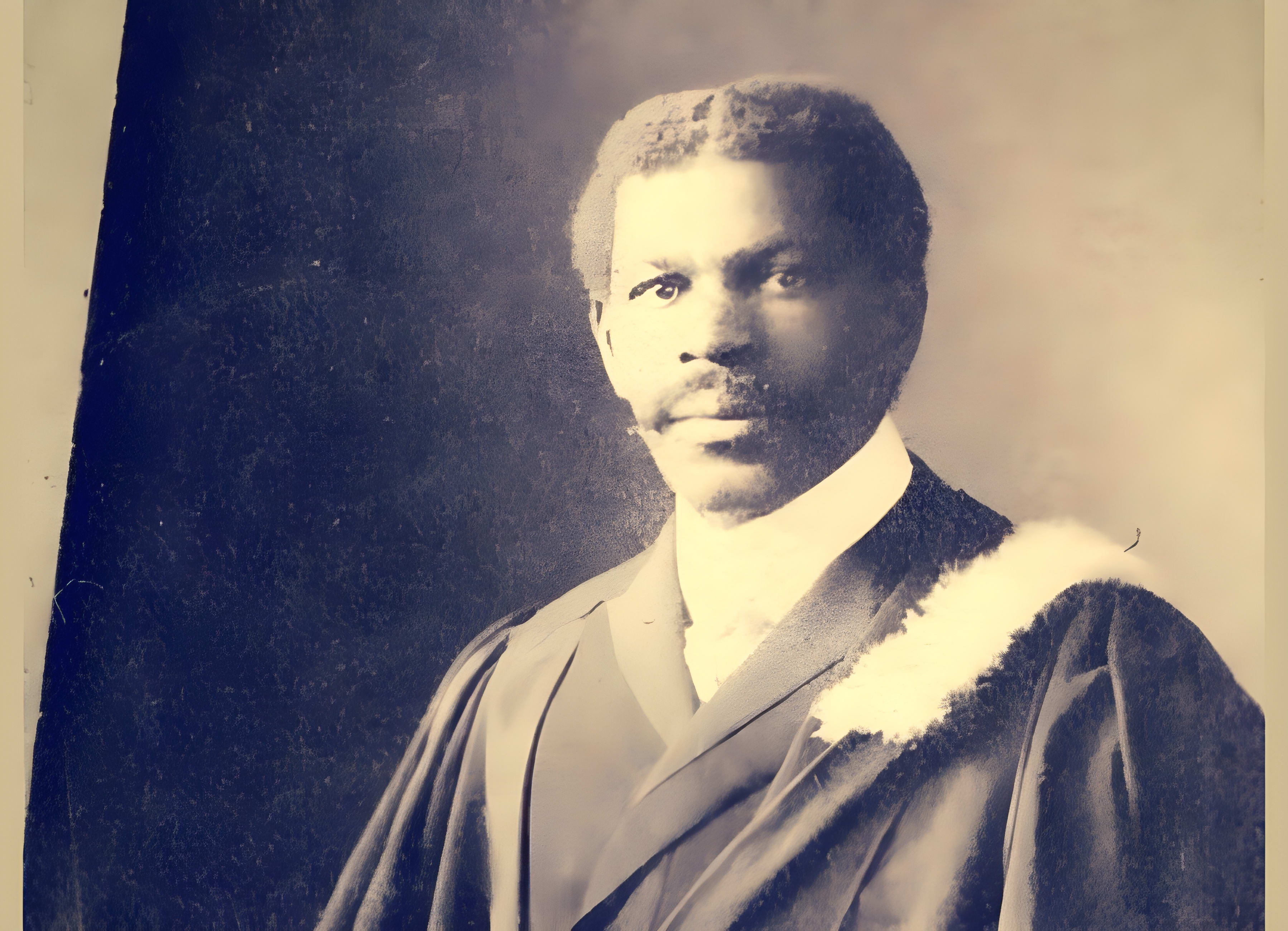
Révérend William Andrew White
Avec l'aimable autorisation de Mathias Joost, CD
Dans la Milice canadienne avant la Première Guerre mondiale, les hommes noirs avaient peu de possibilités de devenir officiers. La Milice était essentiellement basée sur le statut social et non sur la compétence. Avec le début de la Première Guerre mondiale, un trop grand nombre d'officiers de la milice qui composaient les premiers bataillons du Corps expéditionnaire canadien avaient des capacités limitées. Peu à peu, ils ont été éliminés – certains ont été tués au combat, d’autres ont été remplacés et d’autres encore ont été renvoyés au Canada. Vers 1916, le Corps expéditionnaire canadien a commencé à sélectionner ses officiers en fonction de leurs capacités plutôt que de leur statut social. Dans cette nouvelle ambiance, certains soldats noirs ont eu leur chance.
Il n'y avait qu'une poignée d'officiers noirs dans le Corps expéditionnaire canadien et la Milice canadienne pendant la Première Guerre mondiale. Certains sont devenus officiers en raison de leurs fonctions professionnelles, comme médecins et aumôniers. D'autres sont devenus officiers grâce à leurs capacités. Ce qui suit décrit l'un des officiers noirs du Corps expéditionnaire canadien.
(William) Andrew White
Originally from the United States, Reverend William Andrew White came to Canada to study theology at Acadia University. Graduating in 1903, Andrew – he preferred being called by his middle name – was a travelling missionary until he became minister of the Zion Baptist Church in Truro, Nova Scotia, in May 1905. With the start of the First World War Black men had great difficulty in enlisting in Nova Scotia battalions. When Reverend White was approached by a Black man who had trouble enlisting in the 106th Battalion, he met with the commanding officer and helped to ease the way for Black men into the battalion. When No. 2 Construction Battalion (Bn.) was formed Reverend White was an enthusiastic supporter, even giving speeches at rallies encouraging Black men to enlist in the battalion. Reverend White enlisted on 1 February 1917 and was commissioned as an honorary captain as of that date. The “honorary” part of his rank was because all chaplains were given honorary rank during the First World War and into the Second. Appointed chaplain of No. 2 Construction Bn., Captain White sailed with them to England. Afterwards, when the unit sailed for France, he was with them. He divided his time ministering to his flock at the main base in the Jura District of France and the two detachments in northern France. No. 2 Construction Bn. returned to England in mid-December after the fighting was over. Reverend White returned to Canada in January 1919.
 IA améliorée
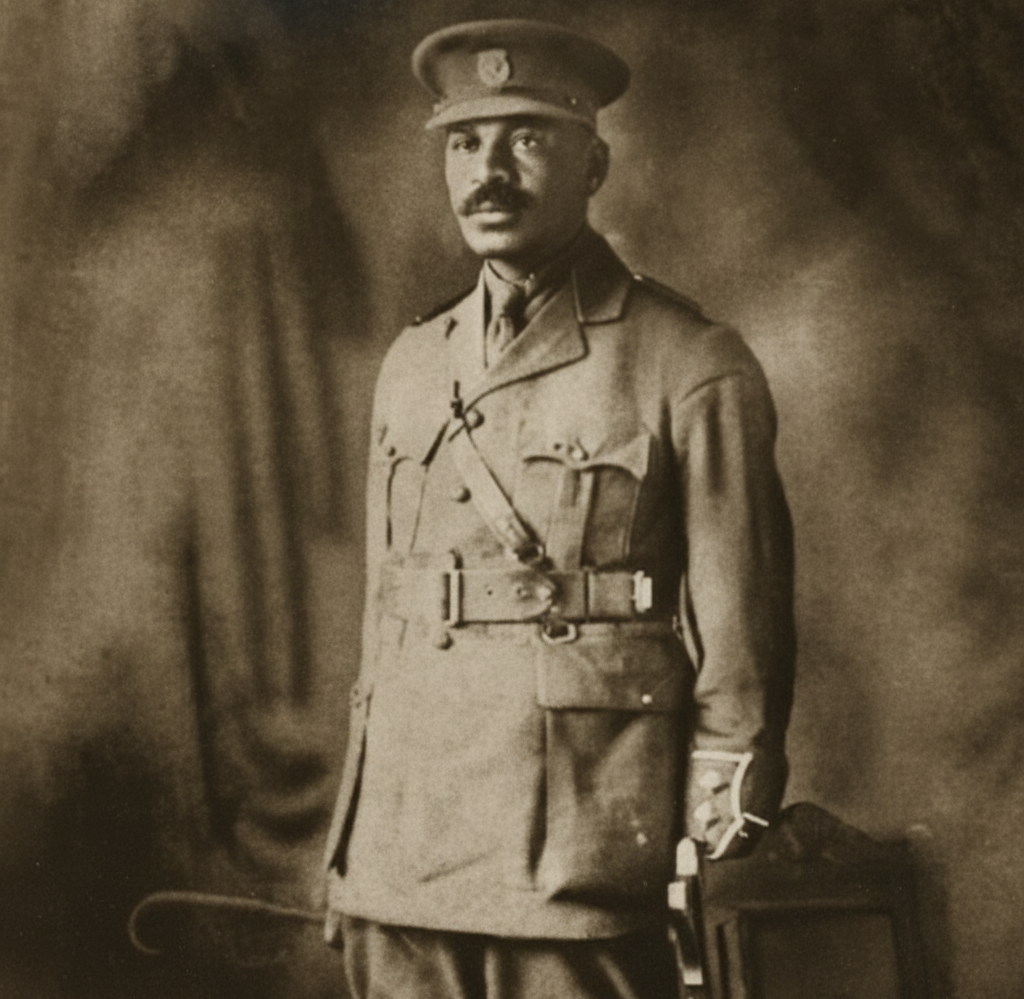
Révérend et capitaine honoraire William Andrew White (Crédit : Musée maritime de l'Atlantique).
Pour en savoir plus sur le capitaine révérend White, veuillez consulterEntrée de la biographie.
Deux excellentes ressources sont disponibles à Bibliothèque et Archives Canada :Journaux de guerre – 2e compagnie de construction canadienneetJournaux de William A. White de 1917 et 1918(Opération Canada).
Éducateurs : Cliquez ICI pour un plan de cours qui explore le documentaire Honor before Glory, qui en dit plus sur William Andrew White et le bataillon de construction n°2.
Photo principale : Révérend et capitaine honoraire William Andrew White (Crédit : Université Acadia).
Nos remerciements àMathias Joost, CD, pour nous avoir permis de publier cet article.